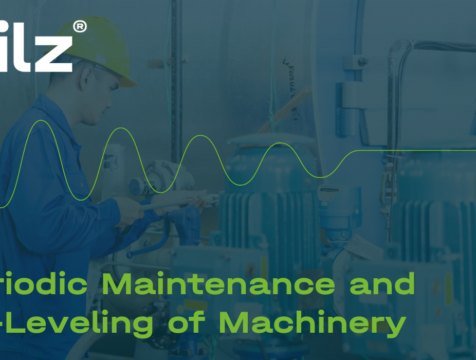
Machine levelling should not be treated as a one-time installation task. Over time, operating loads, vibration, wear and environmental conditions can affect machine alignment.
Regular maintenance and re-levelling help maintain accuracy, stability and reliable performance.
Signs That Re-Levelling May Be Required
Common indicators include:
- Increased vibration
- Uneven component wear
- Reduced machining accuracy
- Changes in product quality
- Visible movement or tilting of the machine
Re-Levelling Process
A typical re-levelling procedure includes:
- Check the current level using suitable precision instruments.
- Adjust levelling elements such as wedges, screws or machine feet.
- Secure all adjustments to prevent movement during operation.
- Re-check alignment after adjustment.
- Document the work for future maintenance and troubleshooting.
Establish a Maintenance Schedule
The required inspection frequency depends on:
- Machine usage
- Operating loads
- Environmental conditions
- Vibration levels
- Manufacturer recommendations
Machines operating continuously or in demanding environments may require more frequent checks.
Benefits of Regular Maintenance
Periodic levelling and maintenance can help support:
- Consistent machine accuracy
- Reduced downtime
- Longer equipment life
- Better product quality
- Improved machine reliability
Maintain Machine Stability with Bilz
Regular maintenance and re-levelling help protect machine performance over the long term.
Bilz offers precision machine levelling and vibration isolation solutions designed to support reliable industrial equipment operation.