Proper machine leveling helps reduce downtime, improve product quality and increase machine life.
1. Choose the Right Leveling Method
Common leveling methods include:
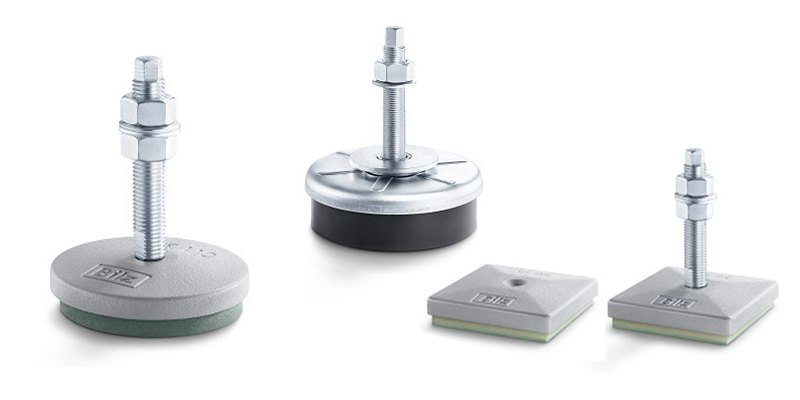
- Steel Shims – Low-cost but time-consuming to adjust
- Leveling Feet – Easier to adjust than shims
- Leveling Wedges – Simple, accurate and easy to adjust even when the machine is fully loaded
2. Check All Machine Feet
If the machine has multiple support points, make sure the load is distributed evenly across all feet. Uneven load can affect stability and machine performance.
3. Start Wedges at a Higher Position
During installation, keep the leveling wedge at a higher setting and lower the machine into the correct position. This makes adjustment easier for heavy machines.
4. Check Level Regularly
Machine leveling should be checked as part of preventive maintenance, usually every 6 to 12 months, depending on the manufacturer’s recommendation.
5. Use the Correct Measuring Tool
The required leveling accuracy depends on the machine and application. Common tools include:
- Laser levels
- Machinist levels
- Digital levels
Proper leveling keeps machines stable, reduces vibration and helps maintain accurate production.